Introduction
In the world of medical care, specifically when it involves handling complex problems, the relevance of specialized training can not be overstated. One such location that has actually gathered interest is NDIS Complex Bowel Care Training. This training not just outfits caretakers with essential abilities yet likewise plays a pivotal function in boosting the lifestyle for people requiring bowel treatment support. This post looks into various facets of NDIS Complex Bowel Care Training, exploring its relevance, parts, and just how it tangibly boosts the lives of those with complex bowel needs.
What is NDIS Complex Bowel Care Training?
NDIS Complex Bowel Care Training is a customized program made for caretakers that support individuals with complex bowel care requirements. It includes a vast array of abilities and understanding locations, consisting of:
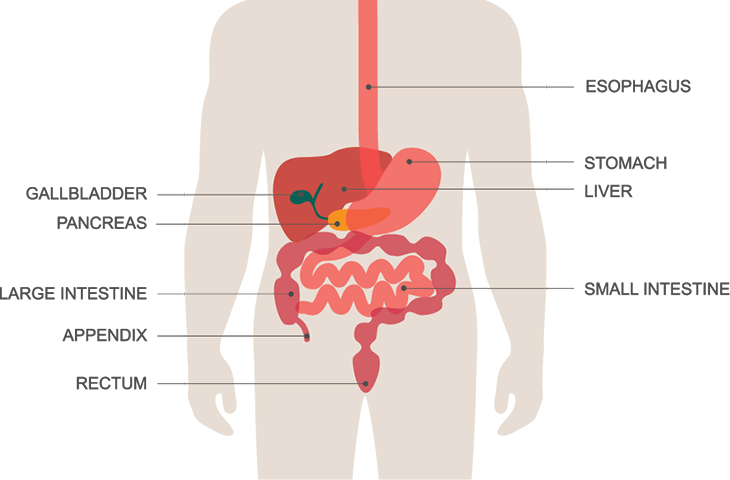
- Understanding digestive tract composition and physiology Recognizing various kinds of digestive tract conditions Learning appropriate stoma care Mastering bowel monitoring techniques
The emphasis gets on allowing caregivers to give effective, thoughtful treatment while making sure the self-respect and health of their clients.
Understanding Facility Digestive tract Care
What is Complex Bowel Care?
Complex digestive tract treatment describes the thorough approach required for people who have detailed clinical demands related to their digestive tract function. This consists of those with problems such as inflammatory digestive tract disease (IBD), short-tempered digestive tract syndrome (IBS), and those that have actually gone through surgeries leading to stomas.
Why is it Important?
Effective complex bowel care management can:
- Improve patient comfort Minimize complications Enhance total wellness outcomes
A customized approach helps in attending to details individual requirements and preferences.
The Function of Stoma Care Training for Carers
What is Stoma Care?
Stoma care involves handling an ostomy, which is a surgical opening created to draw away waste from the body. Recognizing stoma monitoring is essential for caretakers as it directly impacts an individual's quality of life.
Components of Stoma Care Training
Hygiene Practices: Ensuring tidiness to prevent infections. Skin Protection: Learning to shield skin around the stoma from irritation. Emotional Support: Giving emotional assistance to those getting used to living with a stoma.Benefits of Taking a Complex Bowel Care Course
Enhanced Expertise Base
Completing a complex bowel care course supplies caretakers with vital details about different conditions affecting bowel health. This understanding empowers them to offer far better assistance.
Improved Abilities in Practical Scenarios
These programs frequently consist of hands-on training experiences that prepare caretakers for real-life situations. They find out exactly how to deal with emergency situations effectively and manage everyday routines seamlessly.
How NDIS Complex Bowel Care Course Enhances Person Outcomes
Personalized Care Plans
One size does not fit all when it concerns medical care. The training allows caretakers to develop customized treatment plans based on private assessments.
Reduction in Hospital Readmissions
With proper training, caregivers can avoid difficulties that might result in unnecessary healthcare facility visits, hence reducing general medical care costs.
The Value of Bowel Administration Strategies
Effective bowel administration approaches are vital components instructed during NDIS Complex Bowel Care Training. These techniques include:
- Regular monitoring and assessment Dietary referrals Medication management
Such techniques ensure optimum performance and comfort for people undergoing treatment.
Caring for an Ostomy: Obstacles and Solutions
Common Difficulties Dealt with by Ostomy Patients
Living with an ostomy can present a number of obstacles including:
Solutions Offered Via Training
Understanding these obstacles enables caregivers learnt ostomy care to offer functional solutions such as:
- Providing psychological assistance with counseling Offering advice on diet and nutrition Helping clients change their way of living
What is an Ostomy? A Comprehensive Overview
An ostomy is a surgery that produces an opening (stoma) from an interior organ to the beyond the body for waste elimination. It's frequently executed because of diseases like cancer cells or IBD when components of the gastrointestinal system require removal or rerouting.
How NDIS Complex Bowel Care Training Addresses Specific Needs
This training focuses on equipping caregivers with targeted abilities required for specific person problems, consequently boosting general care quality.
Understanding Client Preferences
Every client has one-of-a-kind choices regarding their therapy plan. The training emphasizes regard for these choices while giving reliable support.
Integrating Technology in Digestive tract Treatment Management
Advancements in innovation play a vital role in modern healthcare practices. By including technology devices right into technique, caregivers can boost client tracking and interaction significantly.
Effective Interaction Abilities Established With Training
Communication develops the bedrock of efficient caregiving partnerships. Individuals learn how to interact clearly with individuals about their demands while guaranteeing them they are listened to and understood.
https://privatebin.net/?017f0093e003b53a#AhEkSWQtj6ZbnAPAjVbLHuqDH4i8SxBarG2erBqavZ6sFAQs
1. What sorts of problems call for intricate digestive tract care?
Complex digestive tract treatment normally satisfies people managing problems like IBD or those that have undergone surgical procedure leading to stomas.
2. Who ought to take NDIS Complex Bowel Care Training?
Caregivers supporting individuals requiring specialized bowel management must pursue this training.
3. How much time does it generally take to finish the complex bowel care course?
The period varies depending upon program framework; however, numerous training courses can be completed within weeks or months.
4. What type of certification do individuals obtain after completion?
Participants frequently get a certification detailing their conclusion and proficiency in complex bowel care practices.
5. Are there any type of requirements needed before enrolling?
Most programs do not call for requirements, although previous healthcare experience may be beneficial.
6. Can relative gain from this training too?
Absolutely! Relative involved in caregiving can likewise substantially take advantage of understanding crucial facets of complex bowel management.

Conclusion
In conclusion, NDIS Complex Bowel Care Training deals vital understandings that empower both caregivers and people alike-- boosting quality-of-life criteria significantly while cultivating self-respect via appropriate management methods. By sharpening vital skills via extensive education programs concentrated on various aspects like stoma care and personalized approaches, both parties find themselves much better outfitted to navigate complexities bordering wellness conditions effectively.
As we continue progressing our understanding via such instructional frameworks, we pave pathways towards improved outcomes-- showcasing just how structured education really boosts life high quality for every person involved within this spectrum.
By attending to essential locations surrounding NDIS Complex Bowel Care Training throughout this write-up-- its fundamental parts introducing practical applications-- we highlight its essential duty within today's ever-evolving landscape bordering persistent diseases' caregiving dynamics!